The “All the Science You Need” series
We read all the research.
You get the part you can trust.
There is more research on how your body and your habits actually work than anyone can read, and almost none of it was written for you. We read it, cut everything that doesn’t change a decision, and print the honest number, range and all.
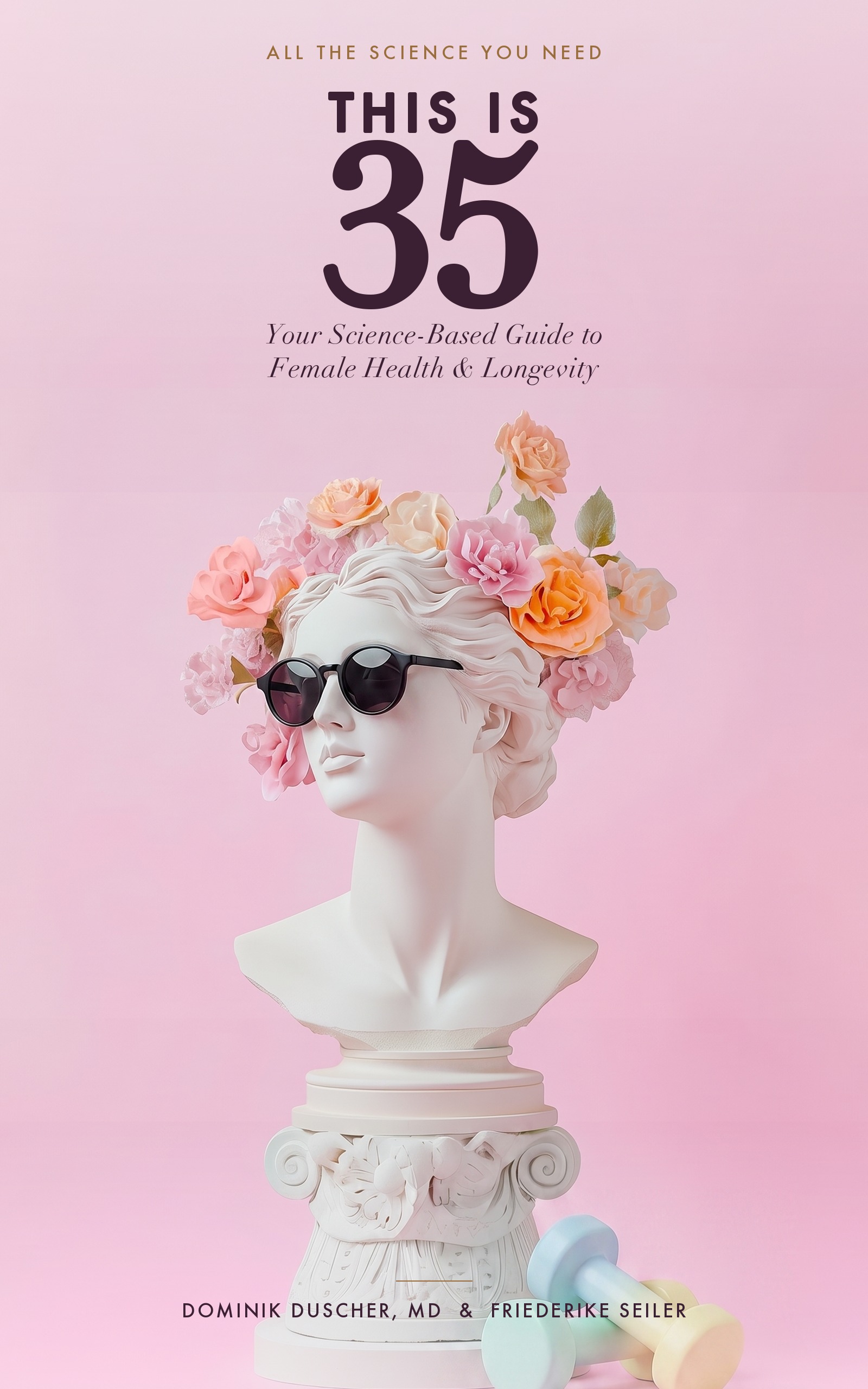
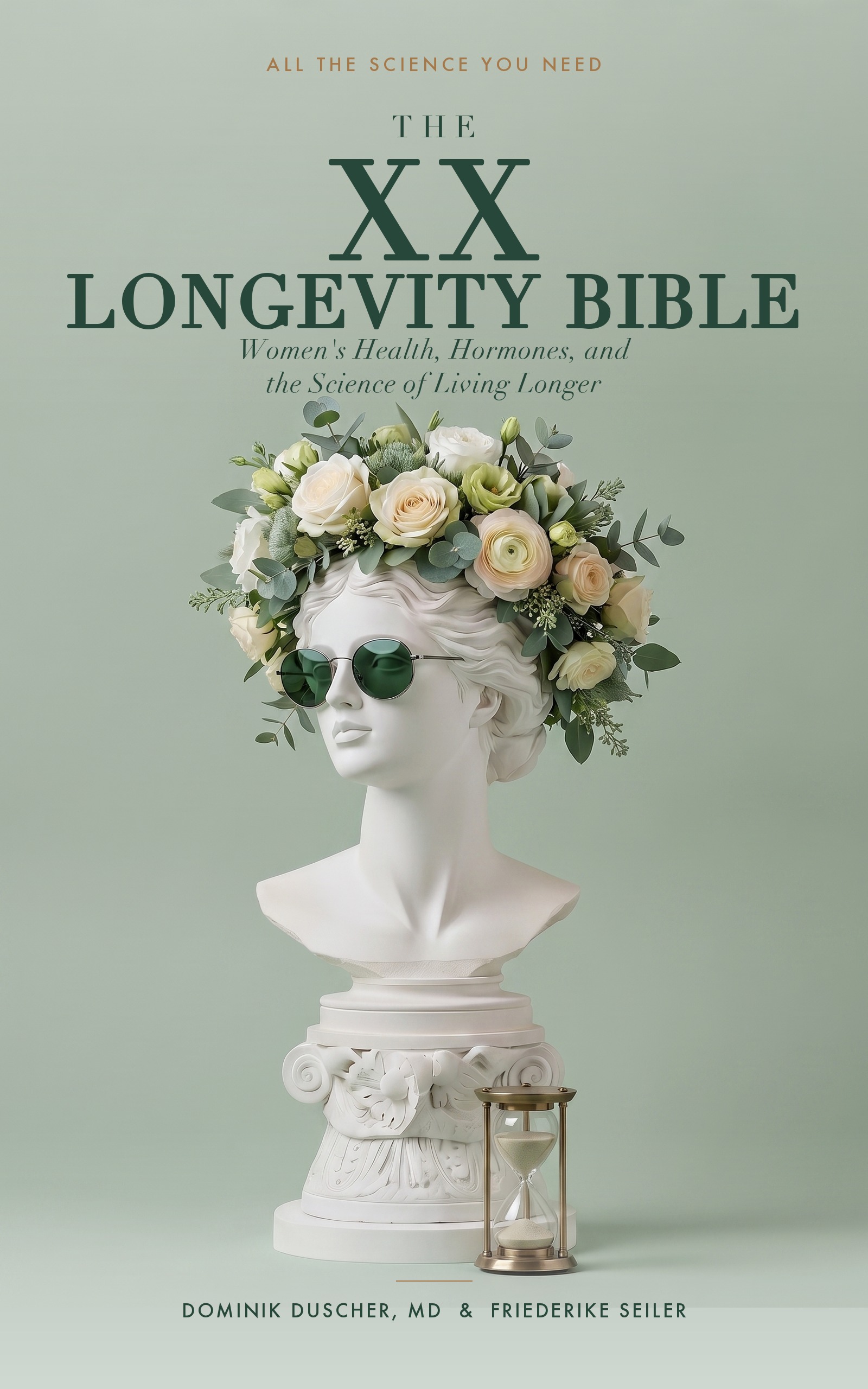
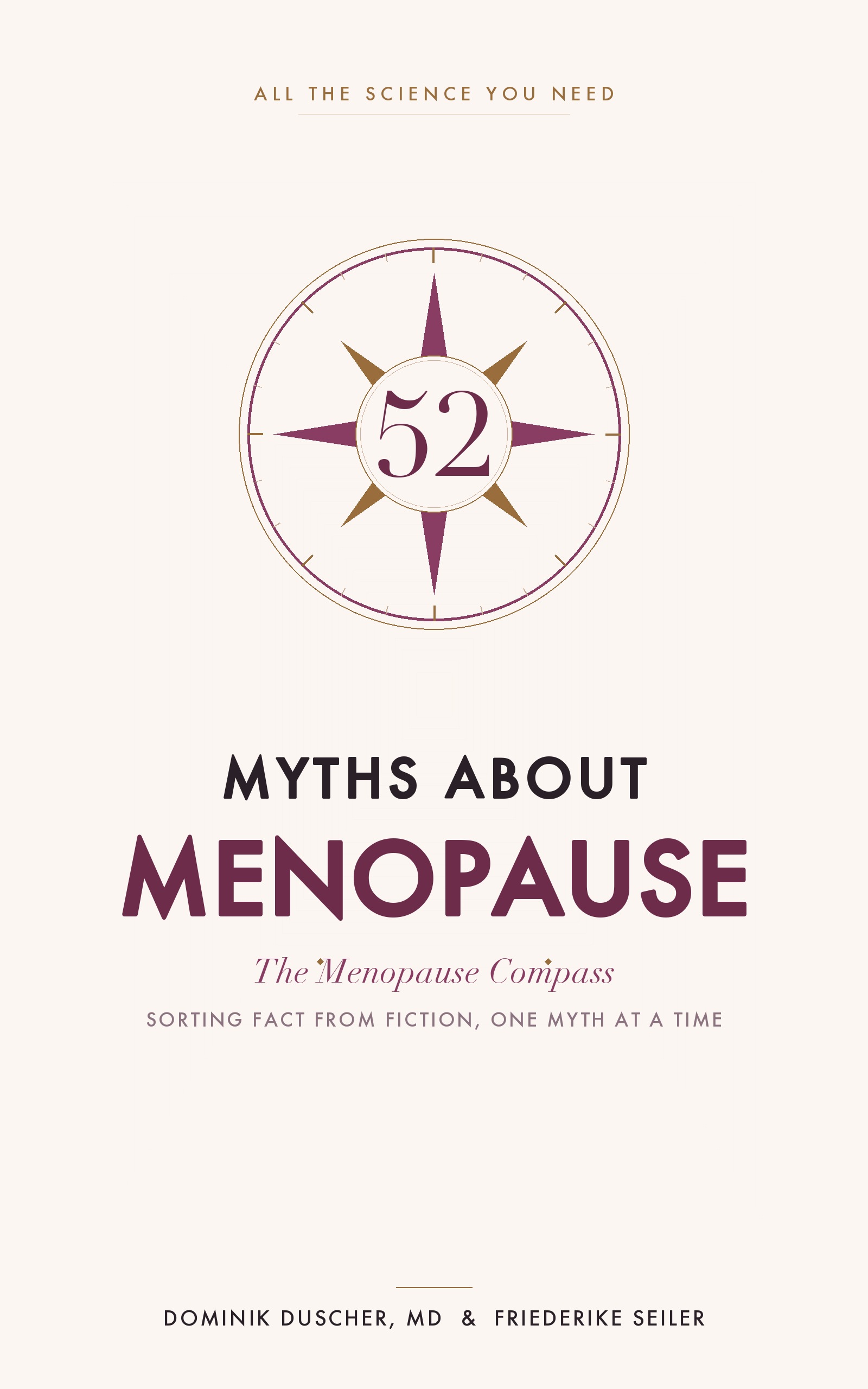
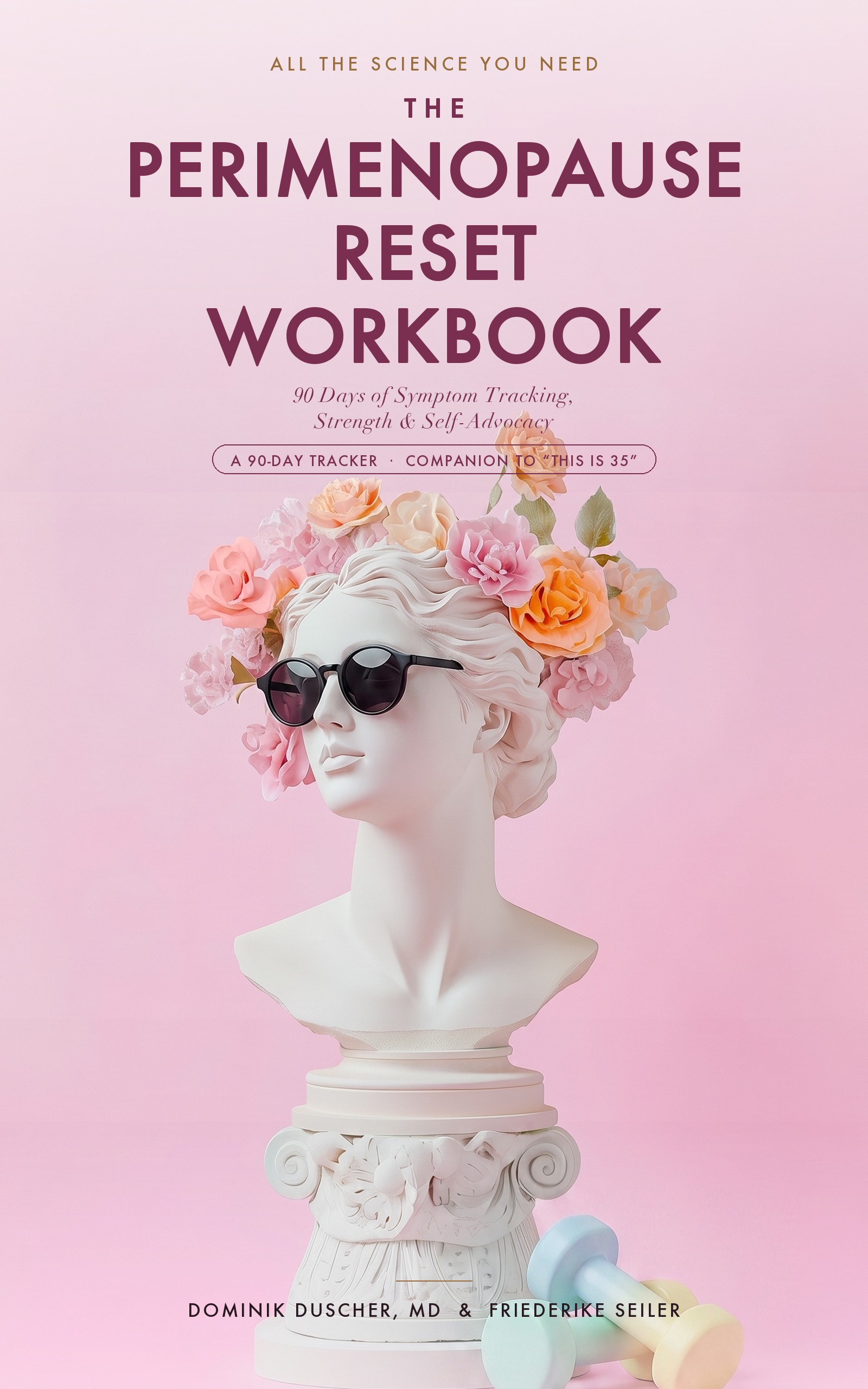
What the name is promising
Somebody has to read all of it. It should not have to be you.
Six books · two authors · one rule per word
We read the whole thing.
Including the trials that disagree with each other, the ones with eleven participants, and the ones that undercut a claim we liked. You cannot curate a literature you have only skimmed.
The data, not the vibe.
The median, not the headline. The effect size, not the press release. And the range printed next to the number, because a number without its spread is a slogan wearing a lab coat.
Only what changes what you do.
If it does not change a decision, a question for your clinician, or what you do on a Tuesday, it does not go in the book. The cutting is the product. That is the word the series is named for.
Data over vibes
The number, and the half nobody prints
Most health writing stops at the finding. The finding is the easy part. What you actually needed was the range around it, and what it changes on Tuesday. Four examples, all lifted straight out of the finished books.
What you’re told
“It takes 66 days to build a habit.”
What the data says
Sixty-six is the median. In the study everyone quotes, the range ran from 18 to 254 days.
Lally et al., European Journal of Social Psychology, 2010Why it matters
You stop reading day 67 as a deadline you missed, and start scoring how automatic it feels, which rises long before it feels easy.
The 66-Day Habit WorkbookWhat you’re told
“Hormone therapy causes breast cancer.”
What the data says
The 2002 headline described a real finding in a real population: women averaging 63, most more than a decade past their final period, taking hormones to prevent disease rather than treat symptoms.
El Khoudary et al., Circulation 2020; 2022 Menopause Society position statementWhy it matters
The question stops being “are hormones safe” and becomes “what is this for, and where am I on that line”, which is a question a clinician can actually answer.
52 Myths About MenopauseWhat you’re told
“Your fasting glucose is normal, so you’re fine.”
What the data says
Insulin climbs for years while glucose holds steady. Glucose is the last thing to move. A normal fasting glucose does not clear you. It tells you the compensation is still winning.
Shape after Tabák et al., Lancet 2009Why it matters
You ask for fasting insulin, not just glucose, and you get the warning while it is still early enough to matter.
The XX Longevity BibleWhat you’re told
“That’s normal for your age.”
What the data says
Often true, and almost never the end of the sentence. Sleep, mood, sex, joints and bone are all treatable through the transition.
The Menopause Compass question kitWhy it matters
“Normal” stops being a reason to send you home. You bring ninety days of your own tracked data and a specific question instead of an adjective.
The Perimenopause Reset WorkbookYour experience is data. Everything else needs a citation.
Four questionnaires
Start with a question, not a checkout
Short, honest, and scored in the open, so you see the full breakdown, not a number invented to flatter you. Nothing is stored and nothing is sent anywhere.
Which book is for you?
Seven questions. No email, no scores out of a hundred. Just the one book that fits where you actually are, and the one that pairs with it.
7 questions · 90 secondsWhat kind of people-pleaser are you?
People-pleasing isn’t one habit. It’s four different strategies for the same job: making other people’s comfort your responsibility. Ten statements will tell you which one is yours.
10 statements · 2 minutesWhy did your last habit die?
Habits rarely fail for lack of willpower. They fail in one of four predictable places. Find yours, and you’ll know which part of the system you were missing.
10 statements · 2 minutesWhich chapter is your body in?
Female physiology doesn’t change on your birthday. It changes in chapters, and most women are given no map of which one they’re in. Eight questions will point you at yours.
8 questions · 2 minutesWho writes them
Two people who do this for a living
Plastic surgeon · stem-cell researcher
Dominik Duscher, MD
A plastic surgeon and stem-cell researcher focused on tissue regeneration and women’s health.
Computational biologist · former vice dean
Friederike Seiler
A computational biologist and a former vice dean of a private medical university in Europe. She works in medical data science and is the researcher behind Cirsentra.
The list
Know when the next one lands
One short note per release: what the book covers, what the evidence actually says, and nothing else. The Brain Fog Workbook is next.